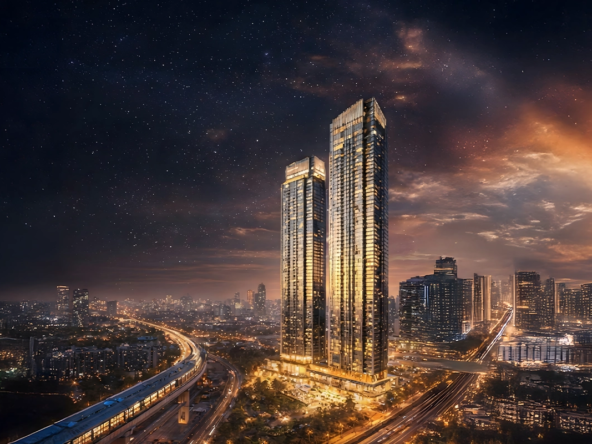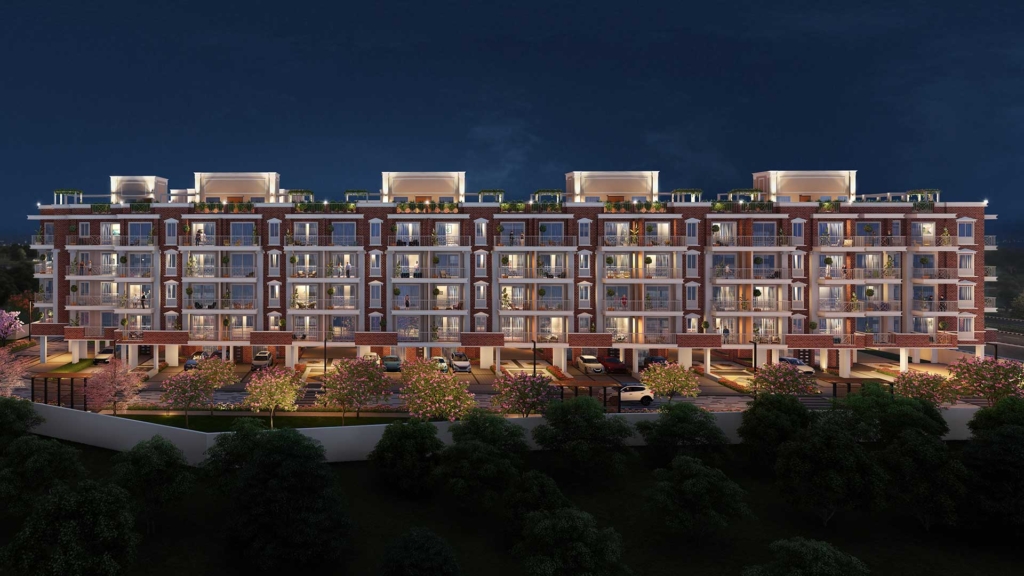
Adani 102 Gurgaon stands as a testament to the transformative power of infrastructure, highlighting how strategic urban planning serves as the primary engine for real estate value appreciation. In this blog, you will learn how the development of high-speed transit corridors and interconnected social amenities fundamentally reshapes property markets. We will explore the direct link between the growth of the Adani Dwarka Expressway Gurgaon corridor and the sustained rise in residential value, demonstrating why infrastructure is the most critical factor for savvy investors. By understanding the lifecycle of these projects, from initial proposal to operational maturity, you will gain the knowledge required to identify high-potential neighborhoods that offer both long-term capital growth and an elevated quality of life.
The Foundation of Value: Connectivity as a Growth Engine
Infrastructure acts as the heartbeat of a growing city, dictating where people live, work, and commute. When new expressways or transit lines are introduced, they do not merely shorten travel times; they unlock previously inaccessible land parcels and convert them into desirable residential hubs. This shift is clearly observable along the Dwarka Expressway, where the promise of signal-free connectivity to Delhi and the airport has accelerated the maturity of surrounding sectors. As accessibility improves, these areas attract corporate interest and high-income professionals, creating a self-sustaining cycle where increased demand naturally drives upward pressure on property valuations. For residents, this means becoming part of a thriving, well-connected ecosystem that is integrated with the larger economic backbone of the region.
Social Infrastructure: The Pillar of Everyday Livability
While connectivity drives initial buyer interest, it is the social infrastructure – schools, healthcare, and retail – that sustains long-term demand and value. A modern homebuyer is looking for an ecosystem that provides convenience at their doorstep, turning a residential project into a complete lifestyle destination. In established growth nodes, the presence of premium educational institutions and multi-specialty hospitals signals to the market that a location is ready for families. Adani Properties prioritizes these lifestyle-enhancing elements within its developments, ensuring that the residential experience is as robust as the transit infrastructure serving it. This synergy between physical connectivity and social facilities creates a resilient market where property prices reflect not just the brick and mortar, but the daily ease of living that these neighborhoods provide.
Anticipating Growth: The Investor’s Advantage
The most successful real estate investments are often those made in anticipation of future infrastructure milestones. By monitoring master plans – such as proposed metro expansions, upcoming business districts, and convention centers – investors can position themselves ahead of the market curve. The development cycle along the Adani Dwarka Expressway Gurgaon corridor is a classic example of this; early investors who recognized the potential of these infrastructure investments have seen significant appreciation as the project moved from a vision to a fully operational reality. Choosing to align with a developer that strategically invests in these future-ready locations allows you to secure a stake in the city’s growth story, effectively mitigating the risk of obsolescence and ensuring that your asset remains relevant for decades to come.
Key Benefits of Infrastructure-Linked Real Estate
The correlation between infrastructure and property value is not just a trend but a fundamental principle of real estate economics. By focusing on projects situated within high-growth corridors, homeowners and investors can capitalize on several distinct advantages.
- Increased Rental Yields: Properties near major transit hubs attract a steady stream of working professionals, leading to higher occupancy and stable rental income.
- Enhanced Resale Value: As the neighborhood infrastructure matures – adding parks, retail, and commercial centers – the underlying land value increases, leading to long-term capital appreciation.
- Improved Quality of Life: Residents benefit from reduced commute times, better traffic management, and access to modern amenities that simplify daily routines.
- Future-Proofing Investments: Assets located in areas identified in master plans for future commercial or social development are better protected against market downturns.
- Professional Property Management: Developments by Adani Properties in these zones often include advanced security, maintenance, and facility management, preserving the building’s condition and premium status over time.
Steps to Evaluating Infrastructure-Driven Investments
Making an informed decision requires looking beyond the immediate aesthetics of a property. Follow these steps to ensure your next real estate investment is backed by the solid foundation of future-ready urban development.
- Analyze the local master plan to identify upcoming projects like new metro routes, industrial corridors, or landmark commercial districts.
- Assess the developer’s track record for delivering projects in emerging zones, focusing on their commitment to quality and timeline adherence.
- Evaluate the project’s accessibility to existing and proposed transit nodes to estimate the potential for future demand.
- Consult with specialists at Adani Properties to understand the long-term vision for the area and how the project integrates with the surrounding infrastructure.
- Prioritize residential projects that offer a complete lifestyle ecosystem, ensuring that your investment provides both financial returns and long-term personal satisfaction.
Conclusion
Infrastructure is the silent partner in every successful real estate investment, providing the connectivity and social framework that drive growth. As evidenced by the rise of the Adani Dwarka Expressway Gurgaon region, areas that are strategically positioned along major transit lines and supported by future-ready planning are the ones that define the market’s future. By investing in projects like Adani 102 Gurgaon, you are securing a place in a well-planned, high-potential urban node that is designed to grow alongside the city. We invite you to explore how our commitment to quality and strategic placement can help you achieve your long-term real estate goals and secure a prosperous future in one of India’s most dynamic urban corridors.
Frequently Asked Questions
1. Why does infrastructure development cause property prices to rise?
Infrastructure improvements like expressways and metro lines increase accessibility and connectivity. This makes an area more attractive for businesses and residents, leading to higher demand and, consequently, higher property prices.
2. How long does it typically take for infrastructure to impact prices?
Prices often begin to rise during the planning phase, accelerate during the construction phase, and experience significant jumps upon the completion and operational opening of the infrastructure project.
3. Is it better to buy property near an expressway?
Yes, buying near an expressway is often a strategic choice. These corridors offer superior connectivity, are usually designated as growth zones in master plans, and are more likely to attract corporate and retail interest.
4. What role does social infrastructure play in property valuation?
Social infrastructure like schools, hospitals, and malls provides everyday convenience. Properties in areas with these amenities command premium prices because they offer a complete, livable lifestyle for families and professionals.
5. How does the brand reputation of a developer affect my investment?
A reputed developer like Adani Properties ensures high-quality construction and timely delivery. This brand backing adds a layer of security and liquidity to your property, making it easier to resell or rent out.
6. Are Adani properties in Sector 102 considered a good long-term investment?
Yes, Sector 102 is strategically located along the Dwarka Expressway. With ongoing infrastructure projects like the Global City and metro connectivity, it is positioned for sustained demand and long-term capital appreciation.
7. How can I stay informed about upcoming infrastructure in my area?
You can monitor official government master plans, follow real estate news platforms, or contact the sales teams at Adani Properties for updates on developments and infrastructure milestones near our upcoming projects.
8. Do metro extensions significantly impact property values?
Yes, proximity to metro stations is a major factor in valuation. Properties within walking distance of a metro station typically command higher rents and experience faster price appreciation than those in less accessible areas.
9. What should I look for when evaluating an investment in a growing city?
Look for connectivity to major business hubs, a clear pipeline of upcoming social and physical infrastructure, and a development plan from a trusted builder that offers a self-sustaining residential environment.
10. How does the Dwarka Expressway corridor differ from older Gurgaon sectors?
Unlike older sectors that developed reactively, the Dwarka Expressway corridor is planned with a forward-looking approach, featuring wider roads, better drainage, and integrated master planning, making it more resilient and efficient