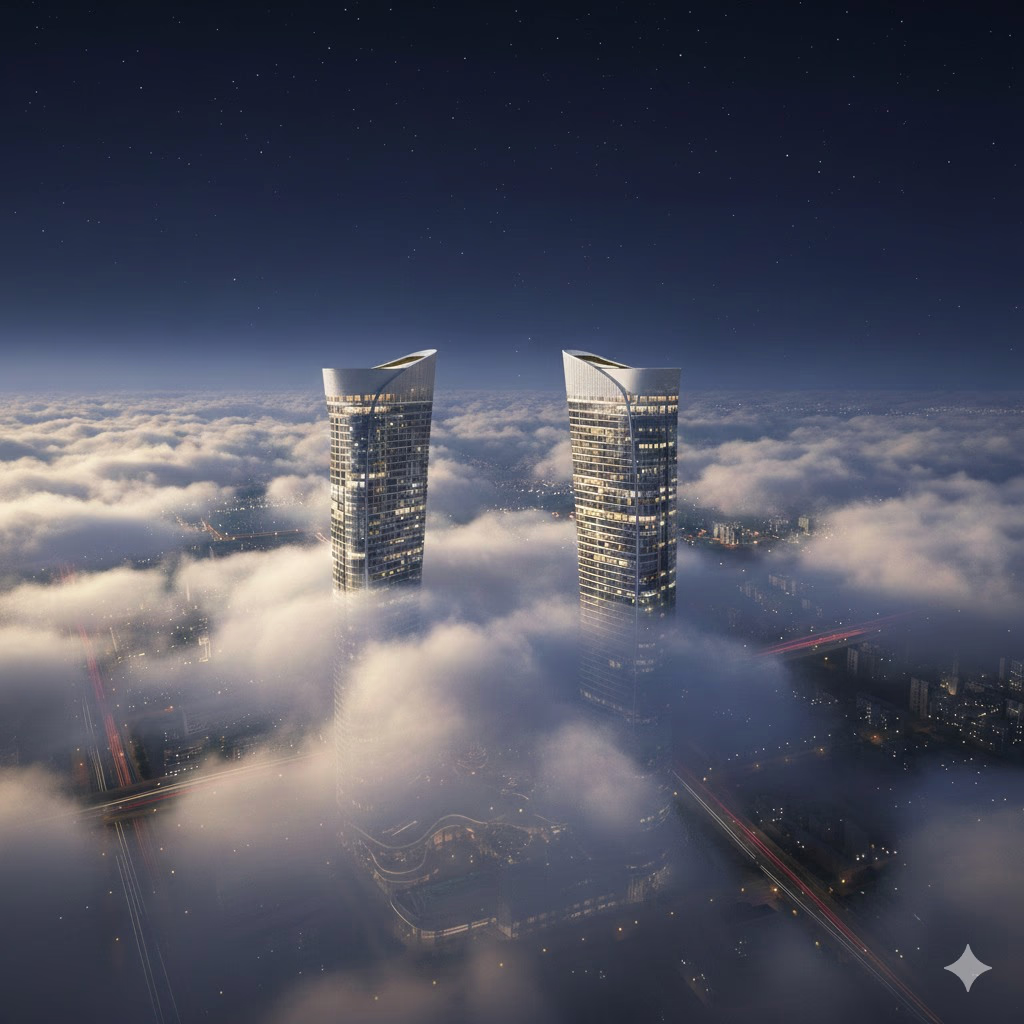
The Shift Toward Sustainable Urban Living
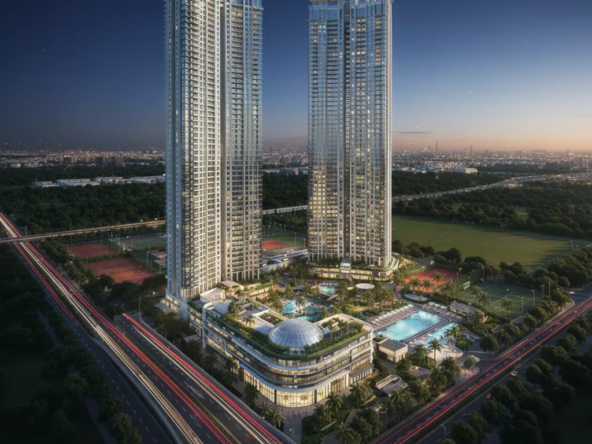
Adani The Marq Sector 102 represents a significant milestone in the evolution of sustainable housing within the rapidly expanding urban landscapes of India. As climate change becomes an inescapable reality and city dwellers face increasing pollution and resource scarcity, the demand for homes that prioritize ecological balance has moved from a niche preference to a mainstream necessity. This comprehensive blog, featured on our website of Adani Properties, delves into the fundamental reasons behind the surge in eco-friendly residential interest among modern homebuyers. You will gain insights into how sustainable architecture reduces long-term living costs, the psychological and physical health benefits of green spaces, and how an efficient Adani The Marq floor plan integrates environmental consciousness with high-end luxury. By exploring these themes, readers will understand why investing in a green home is a commitment to both personal well-being and the planet’s future.
Architectural Innovation and Energy Efficiency
The core of the eco-friendly movement in Indian real estate is rooted in clever architectural design that minimizes a building’s carbon footprint while maximizing resident comfort. Traditional urban constructions often rely heavily on artificial cooling and lighting, leading to massive energy consumption and high utility bills. In contrast, modern sustainable developments like Adani The Marq Sector 102 are engineered with a focus on passive solar design and natural ventilation. This involves orienting buildings to capture the best possible sunlight during winters while shielding interiors from the harsh summer heat. By utilizing high-performance glass and reflective roofing materials, developers can maintain comfortable indoor temperatures naturally. Furthermore, the integration of energy-efficient appliances and LED lighting systems ensures that the daily operational energy demand is significantly reduced. This holistic approach to building design not only preserves precious natural resources but also offers homeowners a more resilient and cost-effective living environment in the long run.
Water Conservation and Waste Management Systems
In many Indian metros, water scarcity has become a recurring seasonal challenge, making advanced water management a non-negotiable feature for premium residential communities. Adani Properties has been at the forefront of implementing sophisticated rainwater harvesting systems and greywater recycling plants within their townships. These systems ensure that every drop of water is used to its maximum potential, with recycled water being redirected for landscaping and flushing, thereby reducing the burden on municipal supplies. Parallel to water conservation is the implementation of decentralized waste management. Modern eco-friendly complexes now feature on-site organic waste converters that transform kitchen and garden waste into nutrient-rich compost for community gardens. This circular economy model within a residential setting significantly reduces the amount of waste sent to city landfills. When looking at an Adani The Marq floor plan, one can see how space is thoughtfully allocated for these essential services, ensuring they operate seamlessly in the background of a luxury lifestyle.
Health Benefits and the Psychological Impact of Greenery
Beyond the technical aspects of sustainability lies the profound impact that eco-friendly homes have on the physical and mental health of their inhabitants. Urban India is often characterized by “concrete jungles” where access to nature is limited, leading to higher stress levels and respiratory issues. Premium green developments counteract this by dedicating a vast majority of their land to native flora, Miyawaki forests, and themed gardens. Living in Adani The Marq Sector 102 means being surrounded by air-purifying plants that naturally filter out urban pollutants, providing a cleaner breathing zone for children and the elderly. The presence of water bodies and extensive green cover also helps in reducing the “urban heat island” effect, keeping the immediate micro-climate several degrees cooler than the surrounding city areas. Psychologically, the connection to nature, known as biophilia, has been proven to lower cortisol levels, improve sleep quality, and boost overall happiness. Sustainable living is therefore not just an environmental choice but a proactive step toward a healthier, more balanced life.
Key Advantages of Sustainable Residential Investments
Choosing to reside in an environmentally conscious development like Adani The Marq Sector 102 offers a range of tangible benefits that extend far beyond a reduced carbon footprint. These advantages cater to the modern homeowner’s desire for a premium lifestyle that does not compromise on ethics or future-proofing. Adani Properties ensures that every green feature serves a dual purpose: protecting the environment while enhancing the day-to-day experience of the residents.
The primary benefits of investing in eco-friendly homes include:
- Significant reduction in monthly electricity and water utility expenses through efficient resource management.
- Improved indoor air quality which reduces the risk of respiratory ailments and allergies.
- Enhanced property value over time as sustainability certifications become highly coveted in the resale market.
- A quieter and more peaceful living environment due to better insulation and natural sound barriers.
- Access to fresh, organic produce through community-led kitchen gardens and composting initiatives.
- The satisfaction of contributing to global climate goals while enjoying a sophisticated urban lifestyle.
How to Evaluate the Sustainability of a Property
Determining whether a project is truly eco-friendly requires looking past the marketing and examining the technical specifications and certifications. Whether you are analyzing an Adani The Marq floor plan or visiting a site in person, there are specific markers of authentic green construction that every savvy investor should recognize. Following a structured checklist can help you differentiate between superficial “greenwashing” and genuine environmental commitment.
To ensure your next home is truly sustainable, consider these expert tips:
- Check for recognized green building certifications such as IGBC or LEED ratings which validate the project’s environmental claims.
- Examine the solar energy infrastructure to see if common areas and street lighting are powered by renewable sources.
- Inquire about the specific types of windows and insulation materials used to gauge the thermal efficiency of the structure.
- Look for the presence of a robust dual-piping system that separates potable water from recycled water for secondary use.
- Review the landscaping plan to ensure the developer is using native plant species that require less water and maintenance.
- Assess the proximity to public transport and basic amenities to determine if the location supports a low-carbon commute.
- Verify the presence of electric vehicle charging stations within the parking levels to support future-ready transportation.
Embracing a Greener Future in Indian Real estate
The transition toward eco-friendly housing is an inevitable and positive shift in the Indian real estate sector, driven by both necessity and a renewed sense of responsibility. Developments like Adani The Marq Sector 102 prove that luxury and sustainability can coexist harmoniously, offering a lifestyle that is both opulent and mindful. By prioritizing energy efficiency, water conservation, and the health of the residents, Adani Properties is setting a high standard for what modern urban living should look like. As more buyers recognize the long-term financial and physical rewards of green homes, the demand for projects that feature a thoughtful Adani The Marq floor plan will only continue to grow. We invite you to explore our portfolio of sustainable homes and join us in building a future where our living spaces contribute to the healing of the planet rather than its depletion.
Frequently Asked Questions
- What makes Adani The Marq Sector 102 an eco-friendly project?
The project incorporates IGBC-rated green building standards, including rainwater harvesting, solar power for common areas, and high-efficiency waste management systems to ensure a minimal environmental impact while providing a premium lifestyle for all its residents.
- Does an Adani The Marq floor plan include space for green features?
Yes, the layouts are meticulously designed to maximize natural light and cross-ventilation. Dedicated areas are also integrated for features like private planters or energy-efficient utility zones that support a sustainable and healthy daily routine.
- Will living in an eco-friendly home reduce my monthly maintenance costs?
Absolutely, as the integration of solar power, LED lighting, and recycled water for landscaping significantly lowers the overall operational costs of the complex, which translates into more efficient and potentially lower maintenance bills for homeowners.
- How does the landscaping in Adani Properties projects support the environment?
We prioritize native vegetation and Miyawaki forest techniques that require less water and provide a natural habitat for local birds and butterflies, while simultaneously acting as a natural air filter for the entire community.
- Are there electric vehicle charging points at Adani The Marq Sector 102?
Recognizing the shift toward green mobility, the project includes dedicated EV charging infrastructure within the parking areas, making it convenient for residents to transition to electric vehicles and reduce their personal carbon footprint.
- What are IGBC or LEED certifications in real estate?
These are prestigious certifications awarded to buildings that meet strict criteria for energy savings, water efficiency, CO2 emissions reduction, and improved indoor environmental quality, serving as a hallmark of authentic sustainability and construction quality.
- Does a sustainable home have better resale value?
Yes, as environmental awareness grows, more buyers are specifically looking for green-certified homes. These properties often appreciate faster and have higher demand in the resale market due to their lower long-term running costs.
- Can I customize my home to be more eco-friendly?
While the base structure is highly efficient, residents can further enhance sustainability by using VOC-free paints, installing smart home sensors to manage lighting, and choosing furniture made from recycled or sustainably sourced materials.
- How is the air quality managed within the complex?
The high density of trees and green cover, combined with a “no-vehicle” zone at the podium level, ensures that the air within the community remains significantly cleaner and cooler than the surrounding urban traffic areas.
- Is the water used for the gardens safe?
The water used for landscaping and flushing is treated through advanced on-site Sewage Treatment Plants (STP) to ensure it is clean and odorless, meeting all environmental safety standards while drastically reducing the waste of potable water.